

Imagine coming home after a long day, and with a single voice command, your lights turn on, your thermostat adjusts to your preferred temperature, and your favorite playlist begins to play. This is the allure of smart home technology. However, with convenience comes challenges, especially related to security and energy efficiency. In this article, we’ll explore how to maximize the benefits of your smart home devices while ensuring safety and sustainability.
What Are Smart Home Devices?: Smart home devices include everything from smart bulbs to advanced security systems. According to a report by Statista in 2022, over 40% of U.S. households have at least one smart device, highlighting the growing trend toward home automation.
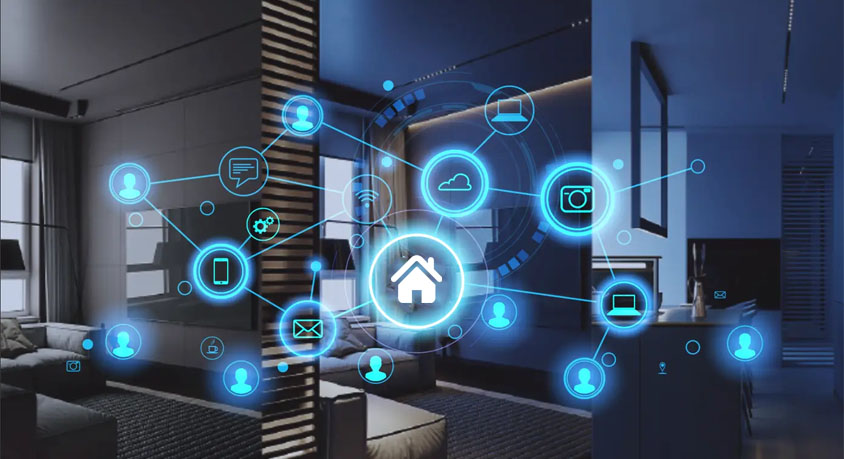
Interconnectivity Matter: Devices that are part of a smart ecosystem can communicate with each other to perform functions that enhance user experience. For instance, a smart thermostat can learn your schedule and adjust the temperature automatically, while security cameras can send notifications to your phone if they detect movement.
Protecting Your Home: Although smart home devices offer convenience, they also introduce potential vulnerabilities. Cybersecurity threats are prevalent, with reports indicating that more than 70% of Americans worry about hackers accessing their smart home systems. Implementing robust security measures is crucial.
Use Strong Passwords: Ensure that each device has a unique and complex password. Avoid using default settings, which can be easily guessed.
Update Regularly: Manufacturers often release firmware updates that patch security vulnerabilities; therefore, make it a habit to check for updates regularly.
Opt for Trusted Brands: When choosing smart home equipment, consider devices from reputable companies that prioritize security. Look for products that have a history of prompt security updates and good customer feedback.
Smart Thermostats: One of the most effective ways to enhance energy efficiency is by using smart thermostats. According to a study from the U.S. Department of Energy, homeowners can save up to 10-15% on heating and cooling costs by using a programmable or smart thermostat. These devices can learn your preferences and automatically optimize your home’s heating and cooling based on your daily routine.
Energy Monitoring: Smart plugs and energy monitors allow you to track your energy consumption. These devices can help you identify energy hogs (appliances that consume excessive power) and suggest ways to reduce energy use. For example, certain smart plugs can schedule devices to turn off when not in use, minimizing waste.
Voice Assistance Integration: Integrating devices with voice-activated assistants like Amazon Alexa or Google Assistant simplifies operations. You can control multiple smart gadgets through simple voice commands, which not only adds to convenience but also enhances accessibility for users with disabilities.
Custom Automations: Take full advantage of automation features available through many smart home platforms. You can set routines that automatically adjust your home's environment based on different conditions. For example:
Morning Routine: Program your lights to turn on gradually at sunrise, adjust the thermostat to a comfortable setting, and even start brewing coffee in the morning.
Away Mode: Set your devices to simulate occupancy when you’re not home—this could involve lights turning on and off at random intervals—helping to deter intruders.
As technology continues to advance, the smart home landscape is poised to evolve even further. From smarter sensors that anticipate user behavior to enhanced machine learning algorithms integrated into devices, the possibilities are immense. The next era might bring even greater energy efficiency, personalized user experiences, and increased safety features that respond dynamically to user needs.
In today's fast-paced and technology-driven world, embracing smart home solutions offers both convenience and the potential for significant energy savings. However, as we invite these devices into our lives, it is vital to prioritize security, efficiency, and usability.
Action Checklist:
Evaluate Your Devices: Regularly assess your smart home ecosystem for weak points in security; ensure passwords are strong and unique.
Invest in Energy Monitoring Devices: Employ smart plugs and thermostats to make your home more energy-efficient.
Explore Automation Options: Utilize automation features to customize settings that resonate with your lifestyle.
By taking a proactive approach to manage your smart home technology, you can enjoy a seamless, efficient, and safe living environment. The future of home automation is here, and it is time to make the most of it!

