

Have you noticed that in recent years you become short of breath just climbing a flight of stairs? You start feeling sleepy at eight in the evening? Your waistline quietly expands and your old pants no longer fit? Pay attention—this is not merely the “normal state of getting older,” but may be a sign that your body has entered a phase of “cliff-like aging.”
In July 2025, a study published by Chinese scientists in the journal Cell revealed that most people experience a turning point in aging around the age of 50. The research team conducted comprehensive proteomic and histological analyses on 516 samples from 13 types of human tissues and found that humans experience a significant aging shift around age 50, with blood vessels being among the earliest and most sensitive tissues to age. Below are eight signals of physical aging:
Walking changes: slower walking speed. The average walking speed for healthy adults is about 0.9 meters per second; if it drops below 0.6 meters per second, it indicates significant muscle atrophy and is an important sign of aging.
Grip strength changes: decreased hand strength. Lifting, pulling, twisting, grasping—these basic movements depend on grip strength and reflect upper limb muscular condition. If grip strength declines, it suggests accelerated aging.
Daily functioning changes: reduced self-care ability. The ability to perform daily tasks reflects functional independence in older adults. If activities such as dressing, toileting, cooking, or grocery shopping become difficult, it indicates worsening aging.
Muscle changes: slower movements. Stand in front of a chair with arms crossed over the chest and repeatedly sit and stand. Completing 25 or more repetitions within 30 seconds indicates good lower-limb muscle and bone strength; fewer repetitions indicate decline.
Sleep changes: waking up earlier. Research shows that many older adults begin feeling sleepy between 8–9 p.m. and naturally wake between 4–5 a.m. This “earlier sleep schedule” is associated with subtle shifts in the biological clock.
Oral changes: widening gaps between teeth. When the gaps between teeth widen, it suggests dental problems, potentially due to gum recession or inflammation around the gums.
Body shape changes: increasing waist circumference. A growing waistline is not only the result of slower metabolism due to age but also multiple contributing factors. In women, declining estrogen levels also affect fat metabolism.
Foot changes: feet becoming wider. With age, the muscles and ligaments of the feet undergo degenerative changes, causing the arches to collapse and elasticity to diminish. Feet become longer and wider, and wearing previous shoe sizes may lead to foot pain.
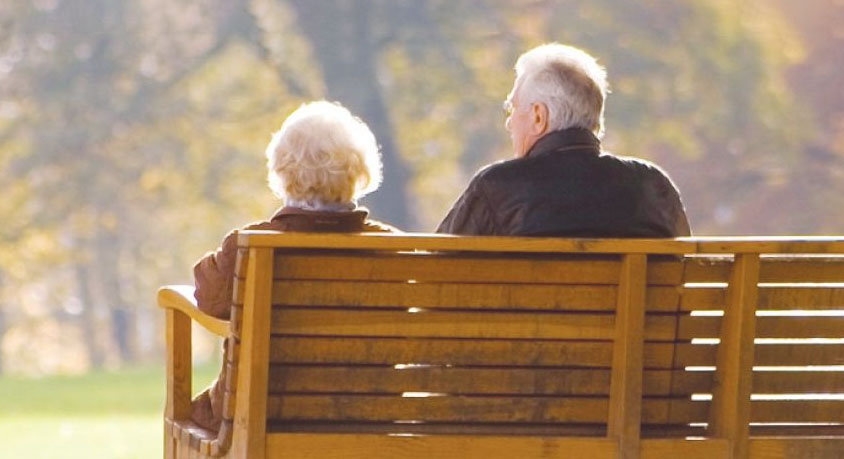
As the saying goes, “Before 50, people look for illness; after 50, illness looks for people.” With age, the body enters a high-risk period for multiple health issues.
Cardiovascular disease: A common condition in individuals over 50, characterized by high prevalence, high disability rates, and high mortality.
Cancer: Cancer can occur at any age, but both incidence and mortality rise with age, requiring greater attention to midlife cancer prevention.
Osteoporosis: Osteoporosis has become a major global health concern among middle-aged and older adults, with a prevalence of 19.2% among people over age 50.
Brain decline: A study published in the Proceedings of the National Academy of Sciences found that human cognitive function peaks at age 35 and begins to decline thereafter; after age 45, decline accelerates significantly.
Chronic conditions such as hypertension, hyperlipidemia, and diabetes: After age 50, the prevalence of these conditions rises. With worsening vascular health, those with such risk factors face higher risks of heart attack and stroke.
Sarcopenia: Muscle mass gradually decreases starting in midlife, with annual losses of 0.5%–1%. After age 50, the decline accelerates, especially in women—by age 60, muscle loss may reach 30%, and after age 80, nearly half of muscle mass may be lost.
Osteoarthritis: Also known as degenerative or age‐related arthritis, osteoarthritis correlates strongly with aging and becomes increasingly prevalent with age.
Seven science-backed anti-aging methods—starting now is not too late: Although aging cannot be reversed, using scientifically supported strategies can slow its progression.
Diet: Four nutrients to include.
Protein: Consume high-quality protein such as fish, shrimp, chicken breast, soy products, milk, and eggs.
Iron: Eat lean beef, lean pork, and blood-based foods like duck blood in moderation.
B vitamins: Eat fruits, vegetables, mushrooms, and soy products regularly.
Calcium: Drink milk, eat leafy greens, limit rich meat broths, and get sensible sun exposure to aid absorption.
Exercise: Combine three types of training.
Aerobic exercise: brisk walking, jogging, swimming, cycling—3–5 times per week, at least 30 minutes each time.
Strength training: dumbbells, push-ups, squats—2–3 times per week to maintain muscle mass.
Flexibility and balance training: yoga, tai chi, etc., to improve flexibility, coordination, and reduce injury risk.
Sleep: Adequate rest for self-repair.
Regular schedule: go to bed and wake up at consistent times to form a stable biological rhythm.
Good sleep environment: a quiet, dark, cool bedroom; avoid electronic devices.
Avoid stimulants before bed: caffeine, alcohol, nicotine can disrupt sleep quality.
Skin care: Scientific routines to delay aging.
Sun protection: use sunscreen with SPF 30 or higher daily and avoid prolonged sun exposure.
Hydration: choose moisturizers suitable for your skin type to prevent dryness and wrinkles.
Targeted skincare: choose active ingredients (vitamin A, vitamin C, niacinamide) based on age and skin needs to slow skin aging.
Mental adjustment: A young mindset keeps the body young.
Meditation and deep breathing help relax the mind and reduce stress.
Cultivate hobbies such as reading, painting, or music to shift focus and ease tension.
Maintain positive relationships with family and friends to gain emotional support and reduce stress.
Health screening: Prevention is better than cure. Undergo regular comprehensive checkups, including cardiovascular assessments, cancer screenings, and bone density tests, to detect potential issues early and enable timely intervention and treatment.
Quit: Avoid smoking and alcohol. Long-term smoking and drinking accelerate aging, harm the skin, and increase the risk of various diseases. For sustained health and youthfulness, quitting smoking and alcohol is essential.

