

Showering in winter is something many people struggle with. It takes mental preparation to step into the bathroom, yet once the warm water hits the skin, it becomes so comfortable that you don’t want to leave. Winter showers feel freezing—so is it really necessary to shower daily? How often should you shower in winter? Shower frequency mainly depends on each individual’s needs and preferences.
The Guidelines for Skin Cleansing in China recommend showering every 2–3 days under normal circumstances. There is no fixed requirement for shower frequency, and daily showers are not mandatory. The primary purpose of showering is to keep the skin clean and healthy. Skin condition, however, is related to lifestyle, health status, personal preferences, and even local culture.
Some people get dirty easily due to work, some exercise frequently, and some sweat more, making them more inclined to shower daily to maintain cleanliness and comfort. Others sweat very little and have minimal physical activity. This lifestyle does not require frequent showers, and showering every other day or even less is acceptable.
Showering too frequently—especially with improper methods—does pose certain risks, such as stripping the skin of natural oils, causing dryness and itching, and in severe cases, even triggering eczema.
So, what should you pay attention to when showering in winter?
Choosing the right water temperature: The general recommendation is “warm, not hot.” In other words, the most suitable choice for the skin is warm water rather than hot water.
Hot water carries certain risks, such as stripping the skin’s natural protective layer, leading to dryness and sensitivity. Extremely hot water can even burn the skin—not only boiling water can cause burns. Prolonged exposure to hot water can lead to “low-temperature burns.”
You can adjust the water temperature to match body temperature. In summer, it may be slightly lower; in winter, slightly higher. Specifically, around 38–40°C is appropriate, and 42°C or above is considered too hot.
But this is not absolute and applies only to most people because:
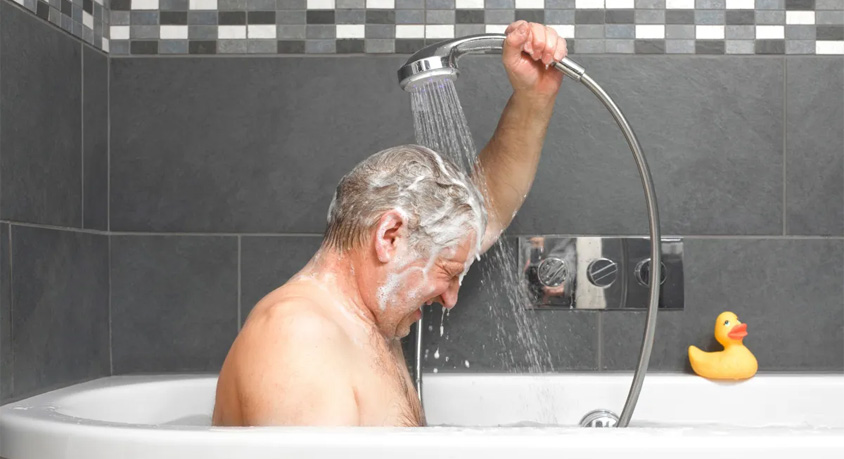
If taking a bath, when most of the body is submerged, even slightly lower temperatures may feel warm.
If showering—especially when the bathroom is cold—the temperature of the water from the showerhead drops quickly before reaching the skin, so you may need to adjust it slightly higher for comfort.
Additionally, people have different subjective perceptions of temperature, and this range may feel chilly to a small group of individuals.
Using appropriate bathing products: What should you pair with your shower? Medicated soap, milk and salt, wormwood, calamus, honeysuckle?
Honestly, it doesn’t have to be that complicated. Remember this—use mild bathing products. What qualifies? The most common option is body wash, especially mildly acidic products.
Because the skin itself is slightly acidic, these products are gentler and less irritating, making them less likely to cause skin problems.
Other products, such as regular soap or medicated soap, are alkaline and soap-based. They offer stronger cleansing, but long-term or frequent use increases the skin’s burden, easily damaging the skin barrier and causing dryness and itching. They are not ideal.
If someone in the household has skin conditions such as dryness, eczema, atopic dermatitis, keratosis pilaris, ichthyosis, or psoriasis, it is recommended to avoid soap-like products altogether and switch to gentle body washes.
Scrubbing is a deeply ingrained habit for some people. So, can you scrub? My answer is—you can, but gently. Excessive scrubbing is harmful.
Occasional scrubbing is fine. We all know that scrubbing can remove a lot of “gunk.” This gunk consists of dead skin cells, oils, dust, and sweat—mostly waste from the skin’s surface. International data suggest that out of billions of skin cells, 30,000–40,000 shed every hour. Within 24 hours, nearly one million skin cells are lost. These are what we see as dead skin, sometimes remaining on the skin or sticking to clothing.
So occasional scrubbing is harmless. Then why is excessive scrubbing harmful? How does it cause damage?
Intense scrubbing carries multiple risks:
Frequent mechanical friction causes minor skin damage, which may lead to folliculitis, a bacterial infection of the hair follicles.
If scrubbing occurs in a public bathhouse, such damage increases the risk of infection from other diseases.
Friction damages the physical skin barrier. Excess removal of “gunk” also harms the chemical barrier (the lipid film), leading to dryness, itching, or eczema.
Frequent friction in fixed areas can cause skin roughness, thickening, and darkening. A condition known as “friction melanosis” is commonly found among individuals who scrub excessively.
Since the skin’s “gunk” can never be completely scrubbed away—and leaving some actually benefits the skin—let me emphasize again: excessive scrubbing is unnecessary and not recommended.
In general, shower duration should not be too long, especially for people who shower often. A few minutes is enough. If quick, one song (5 minutes); if slow, two songs (10 minutes).
If your shower turns into a concert, that’s too long. Exceeding 15–20 minutes is also not recommended.
Long shower durations place a burden on the skin. This burden is called “overhydration,” meaning the skin absorbs too much water after prolonged contact, leading to the skin becoming swollen and wrinkled. Overhydrated skin has reduced barrier function and is more prone to dryness and itching.
To help skin retain moisture, the key is not prolonged contact with water but using moisturizers to reduce water loss. If your shower runs long or your skin dries or tightens afterward, apply moisturizing products immediately after patting dry. Both creams and body lotions help with moisture retention.
In summary, shower frequency is a health-related topic but also depends on personal circumstances. Instead of giving a fixed answer, here are some guiding principles: avoid excessive showering and use mild bathing products to protect your skin. As for how to shower, refer to these basic health principles and determine the most suitable routine based on your lifestyle and physical needs.

